Undergraduate student
Peking University
Email: hao_ni@stu.pku.edu.cn
I am Hao Ni, and I go by Neil in English. I am currently a fourth-year undergraduate student at the College of Engineering, Peking University, majoring in Theoretical and Applied Mechanics. I am also pursuing a second degree in Economics at the National School of Development, Peking University. I am advised by Prof. Yue Yang and Dr. Zhen Lu at the State Key Laboratory for Turbulence and Complex Systems, Peking University.
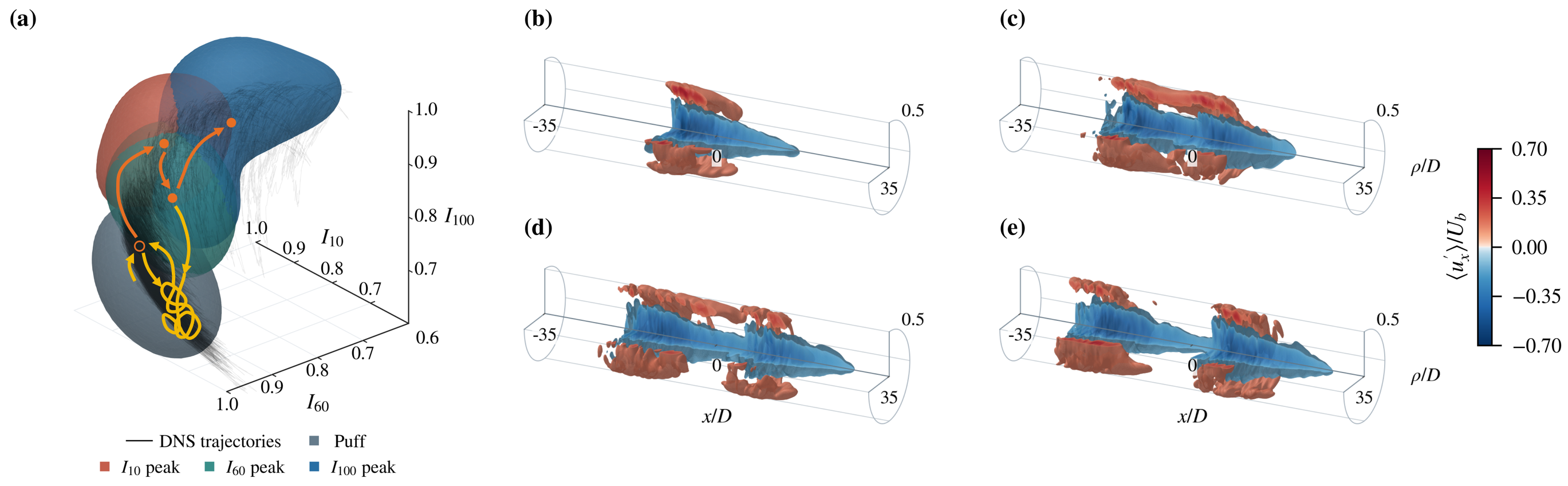
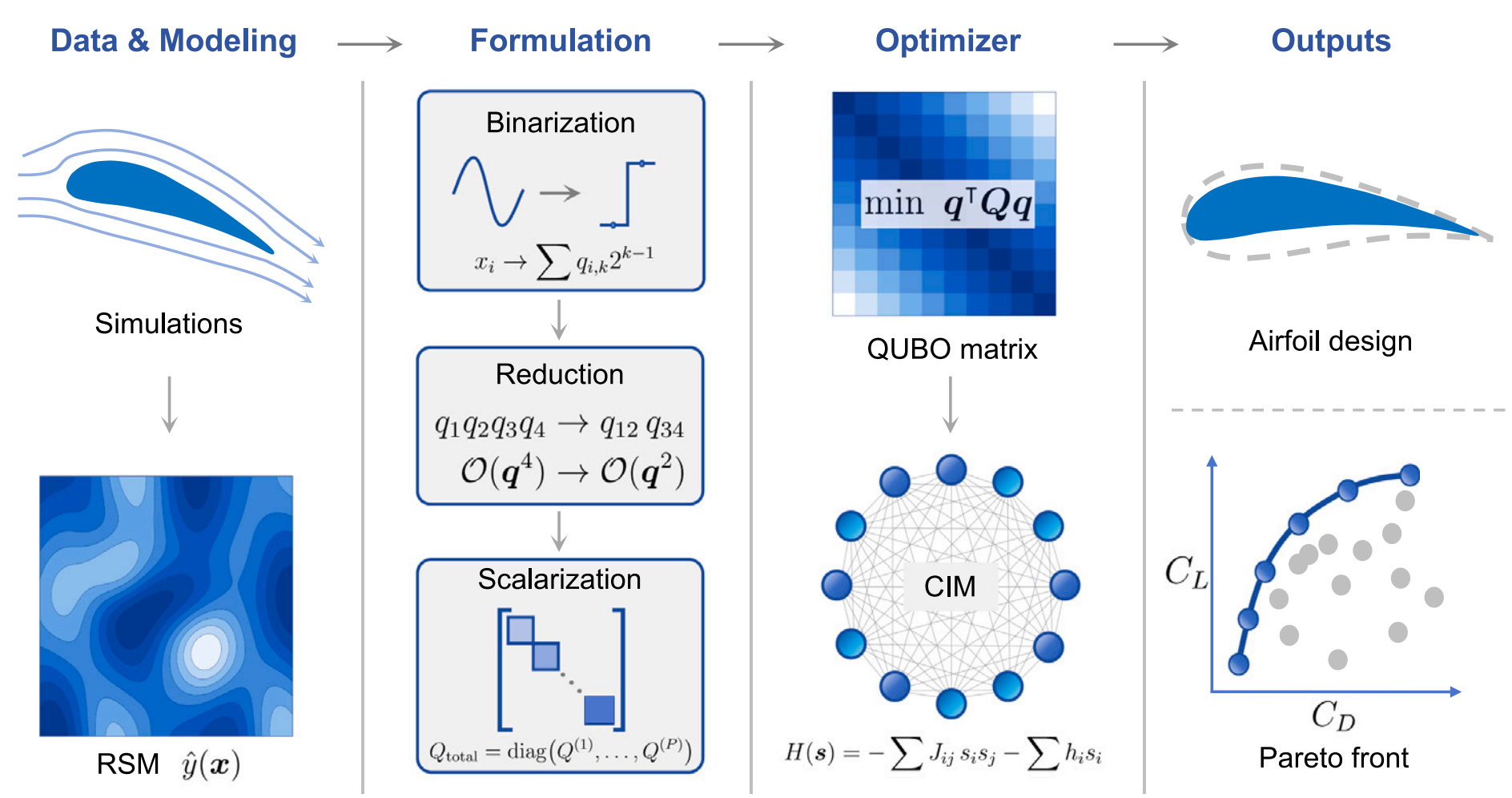
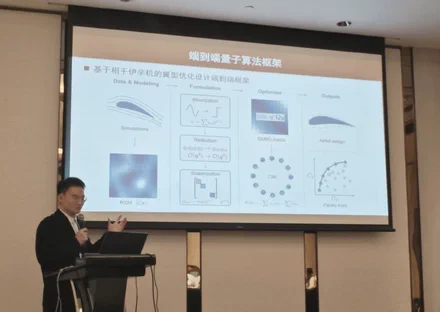
My research interests lie in leveraging emerging technologies, such as quantum computing and artificial intelligence, to address complex problems in physics and engineering. These problems include turbulence modeling, engineering optimization, and scientific computing.
I am particularly interested in bridging theoretical modeling with real-world engineering applications. I focus on the deployability, practical implementation, and translation of research outcomes.
BSc in Theoretical and Applied Mechanics
2023.09
College of Engineering, Peking University
BEcon (Double Degree)
2024.09
National School of Development, Peking University


APS Division of Fluid Dynamics Annual Meeting · Orlando, USA
CCCM2026 · Wuhan, China
Department of Engineering, University of Cambridge

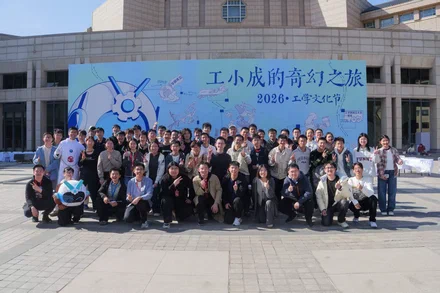
Undergraduate Forum of China's Mechanics 101 Program · Hangzhou, China

College of Engineering, Peking University

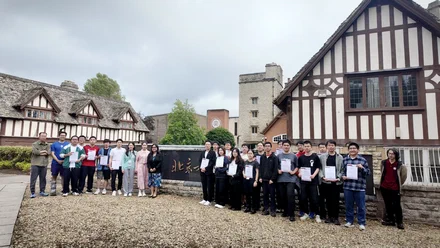
Peking University HSBC Business School UK Campus, Oxford

Alphabetical by surname
· Liyao Chang 常李垚 — Interested in applied mathematics, control theory, robotics, and information theory.
· Jiashun Guan 关家顺 — Interested in laminar–turbulent transition, complex-system prediction, dynamical systems, and physics-informed machine learning.
· Weitong Qian 钱韦潼 — Interested in AI for AI: infrastructure and algorithm optimization, research automation, embodied AI, and world models.
· Yuda Wu 武昱达 — Interested in bioelectronics, functional materials and biointerfaces, biosensing and neural interfaces, and AI for materials and devices.
· Jiayue Yang 杨家越 — Interested in 3D computer vision, spatial intelligence, multimodal learning, and embodied AI.